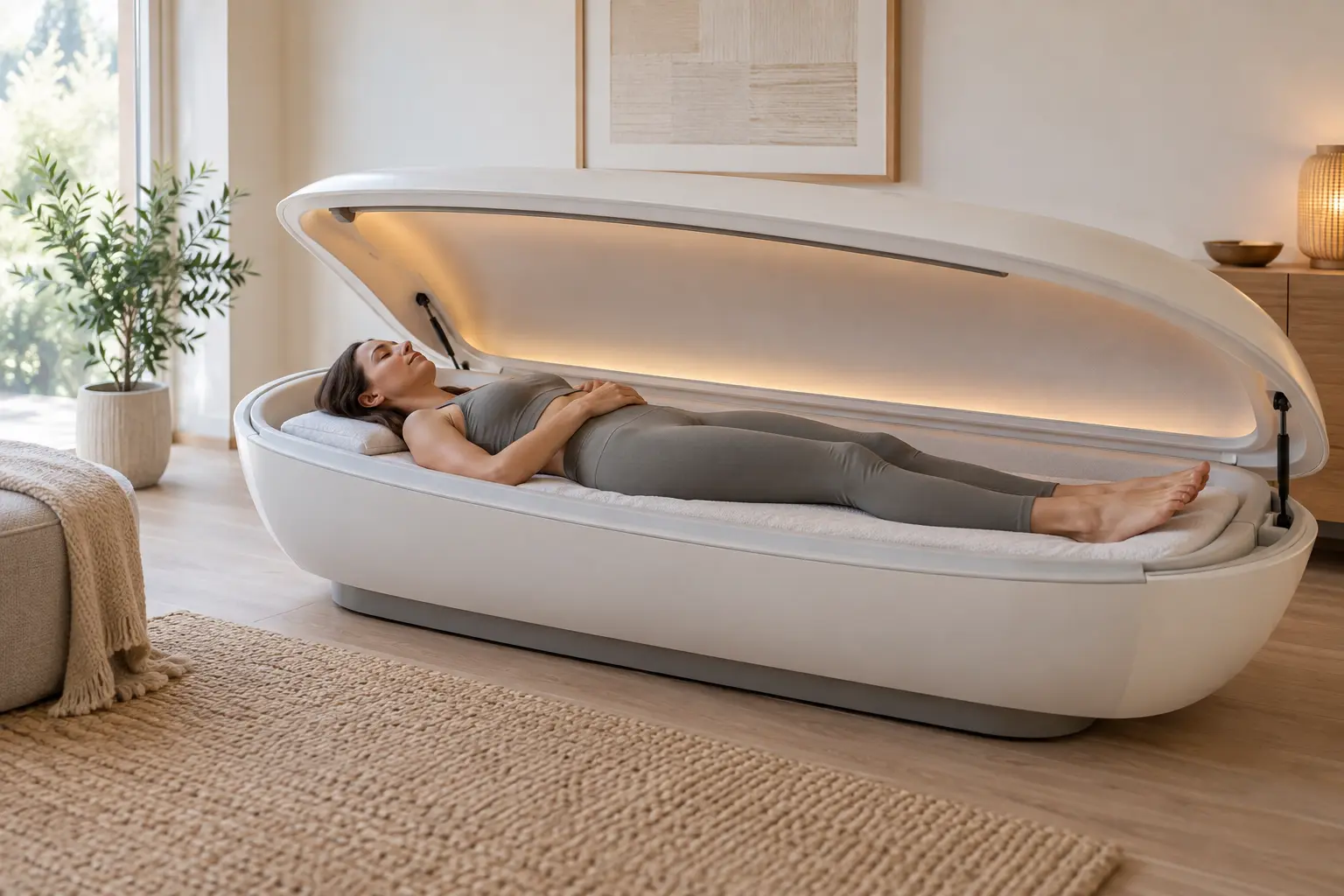
Can a Quantum Energy Bed Help You Relax?
Many people explore wellness equipment for relaxation. The useful question is whether the bed's setting and features help you practice a routine that feels restorative.
Quick answer
A Quantum Energy Bed may provide a low-distraction setting for quiet rest, slow breathing, or calming audio. Some people may feel more relaxed during or after a session, but that experience does not prove the complete bed treats chronic stress, anxiety, insomnia, or any medical condition. Use relaxation as a modest wellness goal, follow the equipment instructions, and judge the routine by comfort and repeatable experience rather than marketing promises.
Define relaxation before you evaluate it
Relaxation can mean less muscle tension, quieter thoughts, slower breathing, or feeling more comfortable. These subjective outcomes are useful if defined in advance, but they are different from diagnosing or treating a health condition.
NCCIH describes the relaxation response as involving slower breathing, a lower heart rate, and lower blood pressure. Established relaxation methods include slow breathing, guided imagery, and progressive muscle relaxation. A wellness bed is not itself one of those techniques, but it can be the place where you practice one.
Why the session may feel calming
A scheduled period of lying down can reduce decisions and interruptions. Comfortable support, less phone use, a quiet room, and a predictable end may contribute to calm. Sound, warmth, light, or vibration may shape comfort, but preferences differ.
Research on music-based interventions, breathing exercises, or individual device modalities should not be treated as proof for the complete multi-modal bed. NCCIH reports that music-based interventions may improve some stress-related measures, while also noting that intervention type and study quality matter. The evidence supports cautious use of a relaxing practice—not a promise that every sound program or combined setting will produce the same result.
Build a simple relaxation routine around the session
Give the routine a clear purpose, such as taking a quiet break after work. Silence notifications, allow enough time that you will not watch the clock, and select the introductory program or lowest comfortable settings permitted by the manual. Before starting, learn how to pause or stop the equipment.
During the session, let comfort guide you. You might listen to familiar low-volume music, follow an uncomplicated breathing exercise, or rest without adding another task. Afterward, sit up gradually and leave a few quiet minutes before returning to a busy activity. CDC stress guidance similarly emphasizes small daily steps and making time to unwind through activities such as breathing, stretching, or meditation.
- Choose one modest goal: quiet rest, breathing practice, or a screen-free pause
- Keep heat, light, vibration, and audio within the manual's recommended settings
- Avoid stacking unfamiliar features at maximum intensity
- Stop if you feel overheated, dizzy, painful, anxious, or otherwise uncomfortable
Stronger settings are not necessarily more relaxing
More heat, brighter light, heavier vibration, or louder audio can become stimulating or uncomfortable. A multi-modal system also makes it difficult to know which feature affected the experience when everything changes at once. Begin conservatively and adjust one setting at a time on later sessions if the instructions allow it.
The same principle applies to session length. Remaining on the bed longer does not guarantee deeper relaxation. A shorter, comfortable routine you can repeat may be more useful than an intense session that leaves you restless or reluctant to return.
Track experience without turning it into a medical claim
Before and after several sessions, rate tension or calm from zero to ten and note the program, settings, and factors such as caffeine, exercise, music, or room temperature. Look for a pattern rather than treating one day as proof.
What is reasonably established is that people can practice recognized relaxation techniques and that a supportive environment may make practice easier. What remains unproven is whether this specific complete bed independently causes a defined stress-related health benefit. FDA's 2026 general-wellness guidance also distinguishes healthy-lifestyle uses from claims to diagnose, cure, mitigate, prevent, or treat disease.
Know when relaxation equipment is not enough
A wellness routine should not replace professional care. Talk with a qualified healthcare professional if stress is persistent, interferes with daily life, or comes with panic, depression, major sleep problems, or physical symptoms. Get urgent help for a crisis or thoughts of self-harm.
Ask for individual guidance before using the bed if you have an implanted electronic device, light sensitivity, an eye condition, pregnancy, difficulty sensing heat, or another medical concern relevant to its features. Follow the current manual and any clinician advice for your circumstances.
Questions people also ask
Does feeling relaxed prove the Quantum Energy Bed is treating stress?
No. Feeling calmer is a valid personal experience, but it does not establish treatment of chronic stress, anxiety, insomnia, or another condition. Clinical claims require evidence that matches the exact product, protocol, and outcome.
What should I do during a relaxation session?
Choose one simple practice such as quiet rest, slow comfortable breathing, guided imagery, or familiar low-volume music. Keep all equipment settings within the manual and stop if anything feels uncomfortable.
Is a longer or more intense session more relaxing?
Not necessarily. Stronger heat, light, vibration, or sound may become stimulating. Start conservatively, follow the program limits, and favor a comfortable routine you can evaluate consistently.
Considering a multi-modal wellness bed?
Contact Quantum Energy Beds for specifications, current pricing, financing information, and answers about home or business installation.
This article is for general educational purposes and does not replace medical advice. Wellness equipment is not a substitute for diagnosis or treatment. Follow the device instructions and speak with a qualified healthcare professional about personal medical questions.
Sources and further reading
- NCCIH: Relaxation Techniques—What You Need To Know
- NCCIH: Stress and mind-body approaches
- NCCIH: Music and Health—What You Need To Know
- CDC: Managing Stress
- FDA: General Wellness Policy for Low Risk Devices